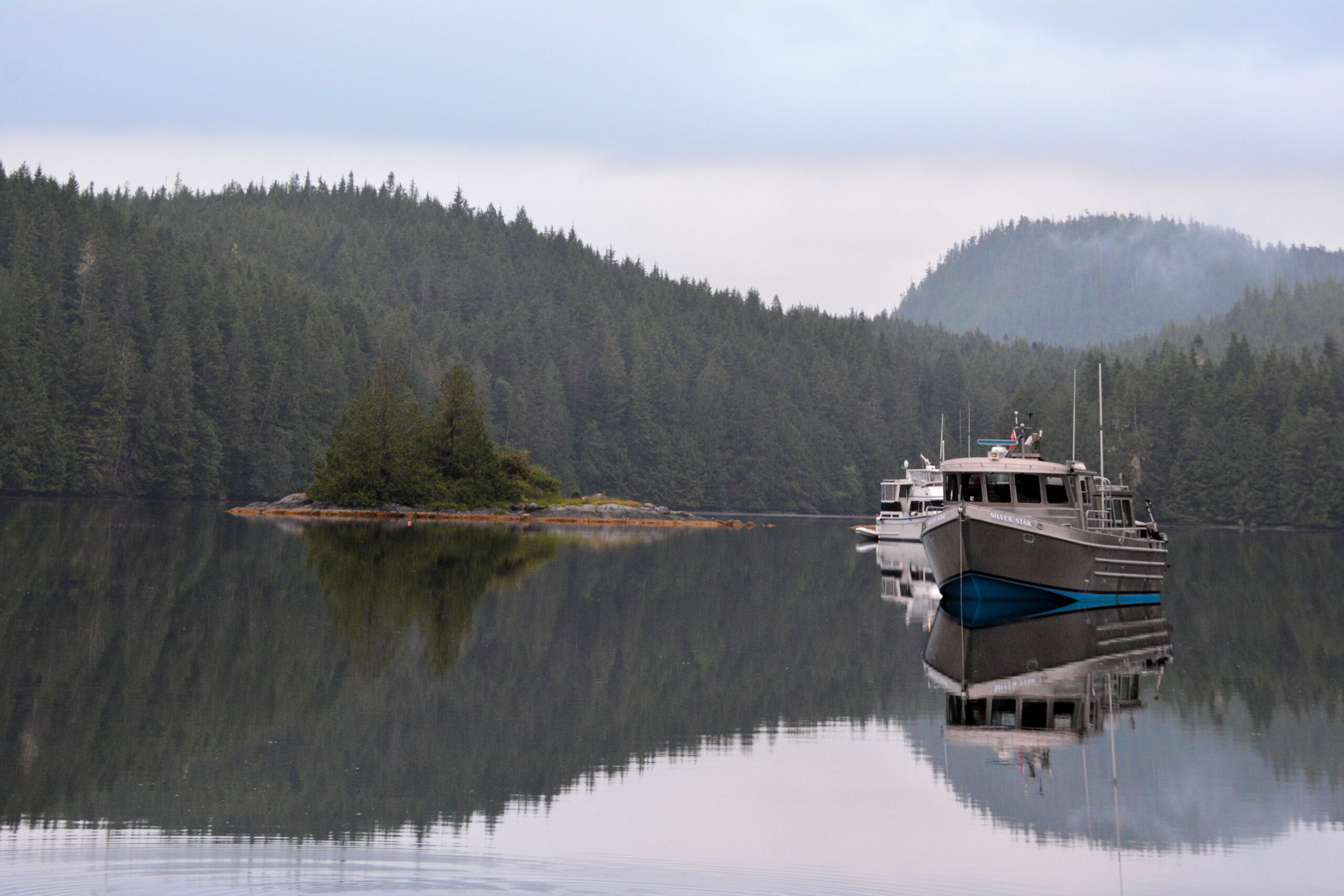
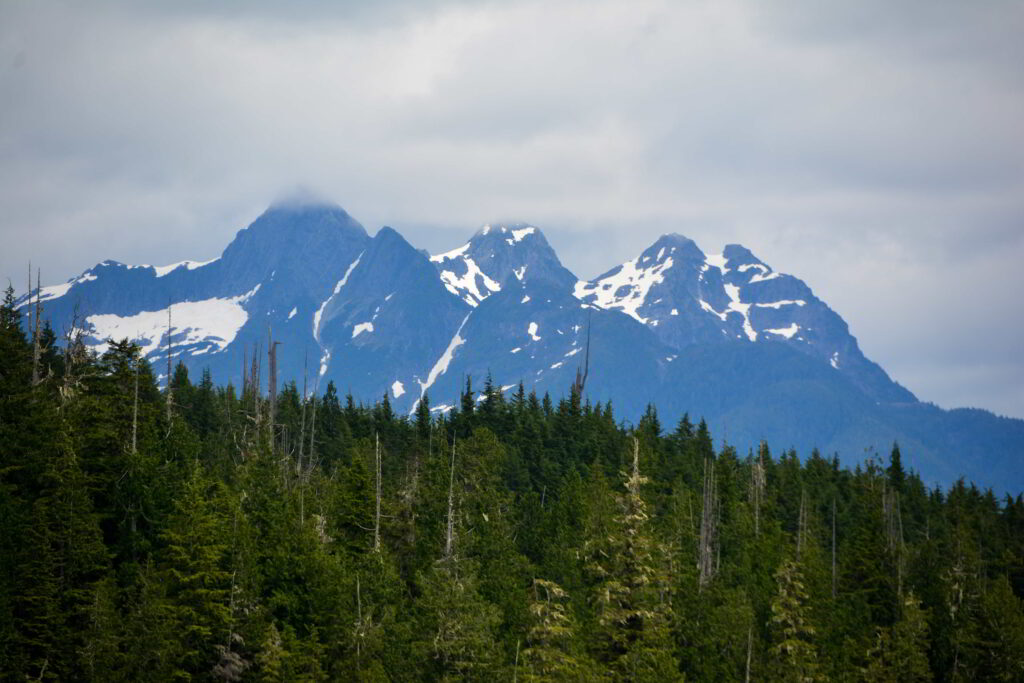
Nestled along the rugged mainland coastline of British Columbia, Clayton Bay located in the northwest region of the Broughton Archipelago offers a captivating glimpse into raw natural beauty and vibrant history. These tranquil waters, surrounded by lush forests and rocky shores, invite boaters to discover the wonders of this lesser-known maritime treasure. Whether you’re drawn by the region’s remarkable wildlife or intrigued by stories from the past, Clayton Bay promises an unforgettable destination.
Anchoring in Clayton Bay
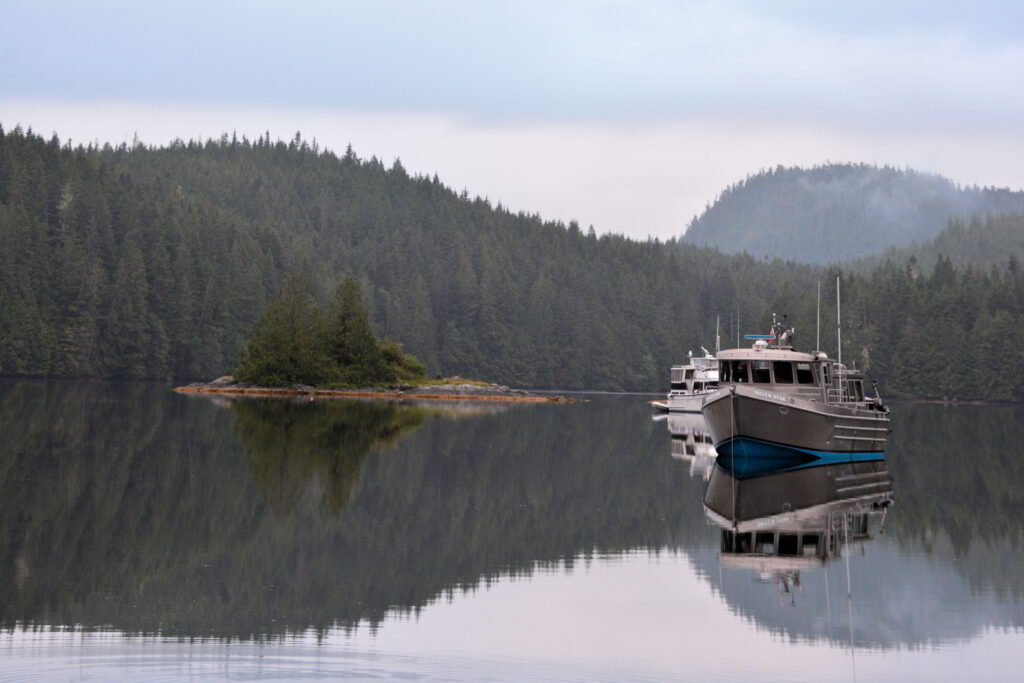
Clayton Bay provides sheltered anchorages set amidst spectacular scenery. The approach to the bay is straightforward, with deep channels ensuring safe passage for vessels of various sizes. Once inside, the calm waters make this an ideal spot for anchoring overnight or for a leisurely day visit.
There is ample anchoring space both in the main bay and the northern arm. The wind direction typically determines where to drop anchor. The southern part of Clayton Bay is the best location, but if a westerly breeze is blowing or the southern area is full, the northern arm offers additional anchorage and protection from westerlies. Both spots provide a seabed of good holding ground, mostly sand and gravel. The pristine setting offers visitors a sense of seclusion and immersion in nature.
Wildlife Encounters
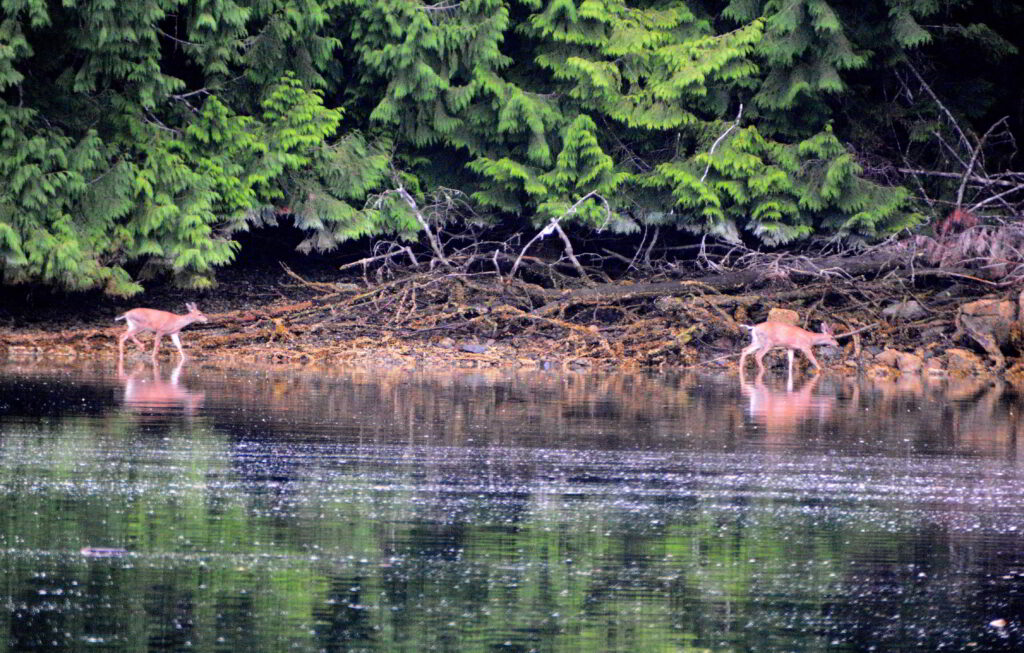
One of Clayton Bay’s greatest attractions is its rich biodiversity. The dense forests lining the bay are home to black bears, deer, and numerous small mammals. Overhead, bald eagles soar, their distinctive calls echoing across the water. During spring and summer, migratory birds flock to the region, making it a paradise for birdwatchers. Ospreys, herons, and kingfishers are commonly seen, especially in the early morning.
Marine life thrives in nutrient-rich waters. Seals and sea otters are frequent visitors, often spotted basking on rocks or playing in the shallows. The intertidal zones are teeming with starfish, crabs, and mussels, offering excellent opportunities for tide pooling and close encounters with marine creatures.
A Tapestry of History
Indigenous peoples have lived in the area for thousands of years, relying on the abundant resources of both the sea and forest for sustenance and spiritual practices. Traces of their legacy remain in ancient middens, petroglyphs, and traditional place names, all of which speak to a deep and enduring cultural heritage.
European explorers and fur traders began arriving in the late 18th and early 19th centuries, searching for new routes and resources. Clayton Bay’s sheltered anchorage made it an important stopover for early surveyors and traders navigating British Columbia’s intricate waterways. By the late 1800s, the logging and fishing industries had taken hold, bringing waves of settlers and reshaping the landscape.
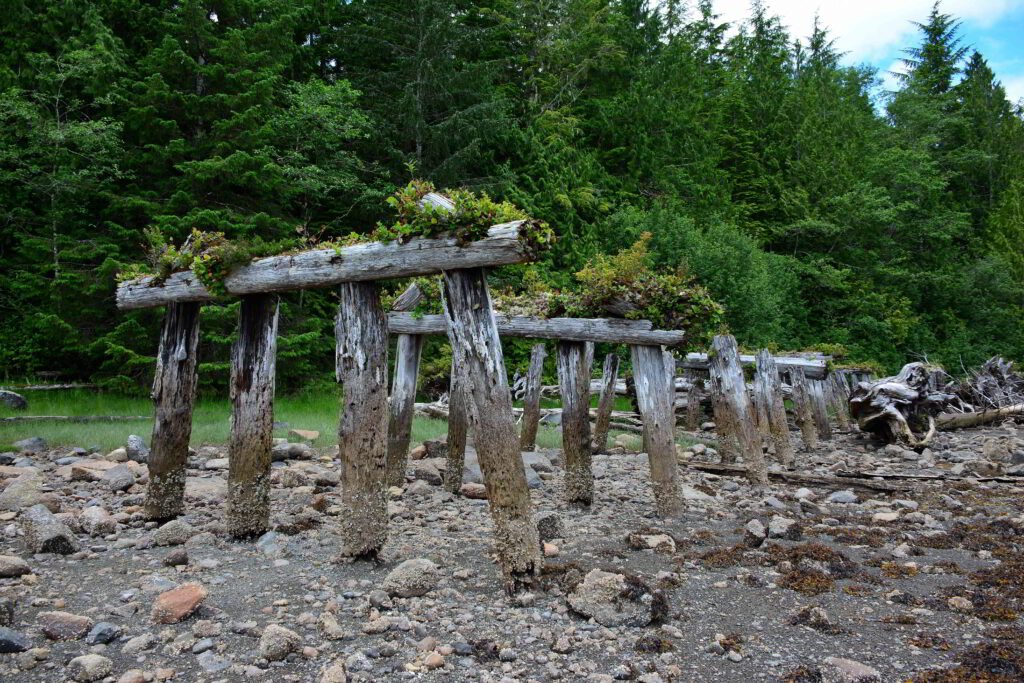
During the 1930s and 1940s, the bay was home to a unique logging camp. The camp supported around two hundred men and their families, with a school and a small hospital—all built on floats. This was a truck logging operation, and remnants of the elevated roads are still visible today. Rows of pilings that once supported these elevated roadways stretch through the forest and out into the intertidal zone, a testament to the area’s industrial past.
Over time, nature has begun to reclaim the trestle structures. The remaining beams now serve as nursery logs for new vegetation, with scattered metal fragments and decaying pilings marking the passage of time and the resilience of the landscape.
The engineering was rustic and daring. Drivers coaxed their primitive rigs along tracks made of parallel logs, sometimes as high as 15 feet above the forest floor and sea. For safety, the tops of the logs were cut flat, and smaller logs were spiked along the edges as guard rails. Steel rebar, bent into zig-zag patterns, was fastened to the slippery surfaces so that the solid rubber tires could grip. Even with these measures, driving the route, especially in bad weather, must have been a nerve-racking experience. It’s easy to imagine the daily adrenaline rush those early drivers must have felt.
Conclusion
Clayton Bay reveals a world of discovery. From tranquil anchorages and abundant wildlife to echoes of ancient civilizations and pioneering settlers, the bay stands as a testament to the enduring allure of British Columbia’s coastal wilderness. For those in search of adventure, tranquility, and a deeper connection to nature and history, this corner of the Pacific Northwest invites exploration.