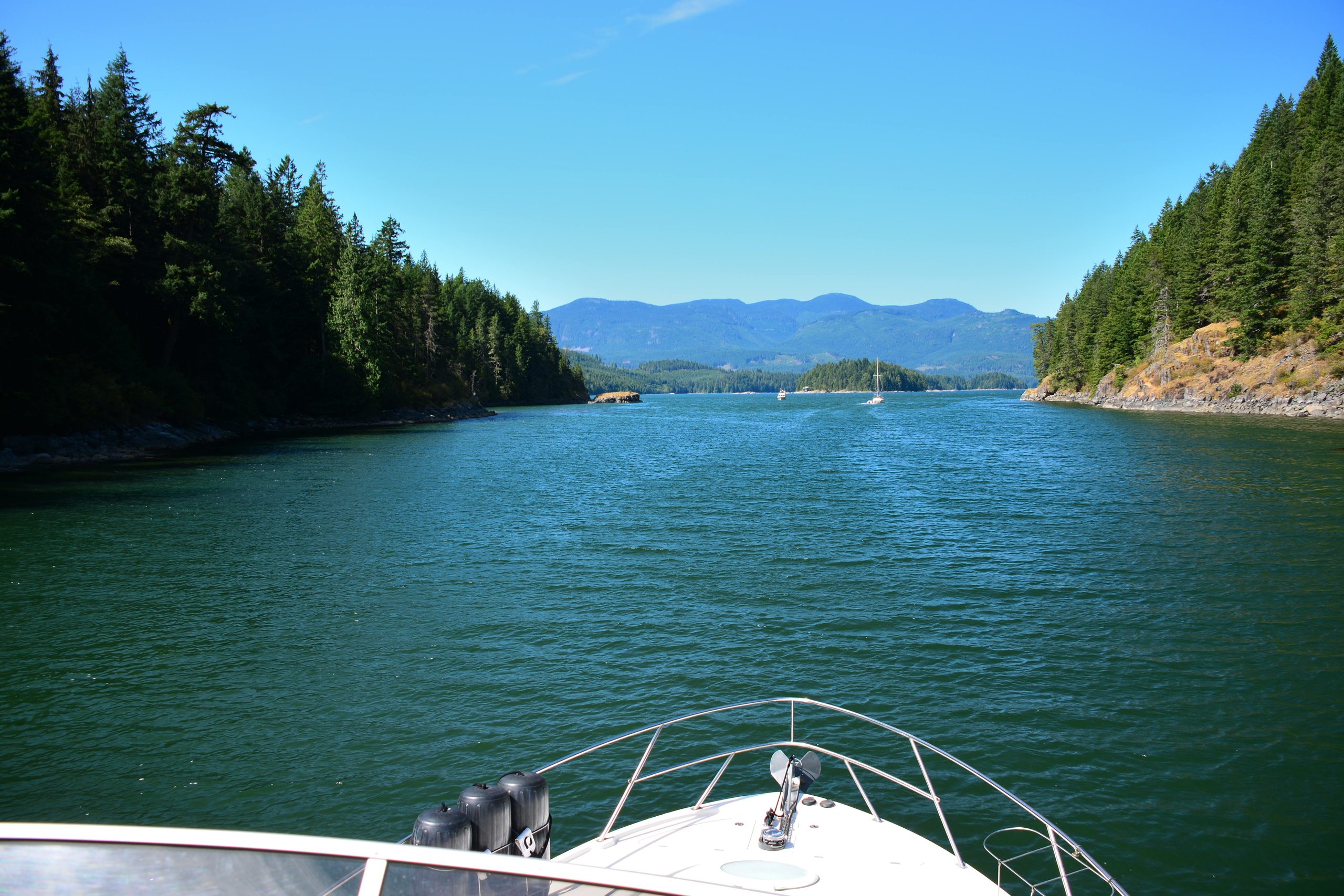
Exploring the Discovery Islands by yacht is one of the highlights of cruising the British Columbia coast. From Vancouver and the Gulf Islands north toward Campbell River, Quadra Island and the Inside Passage, destinations such as Small Inlet offer the kind of protected anchorage that make extended BC cruising so rewarding.
On the north side of Quadra Island, lays the protected water of Small Inlet Marine Park. Offering boaters the kind of anchorage they will remember; quiet, steep-sided, forested, and useful. It is where boaters can set the hook, listen to ravens in the timber, enjoy the peace and quiet, or wait for the next slack-water gate to make passage through the channels and rapids that shape travel through British Columbia’s Discovery Islands.
How To Get There By Boat
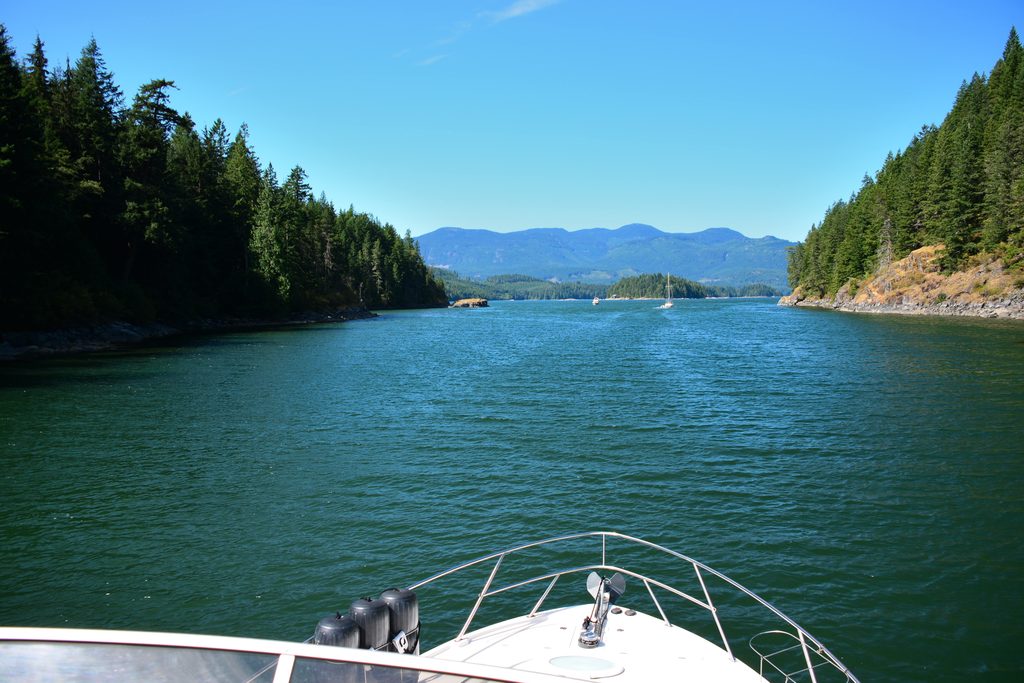
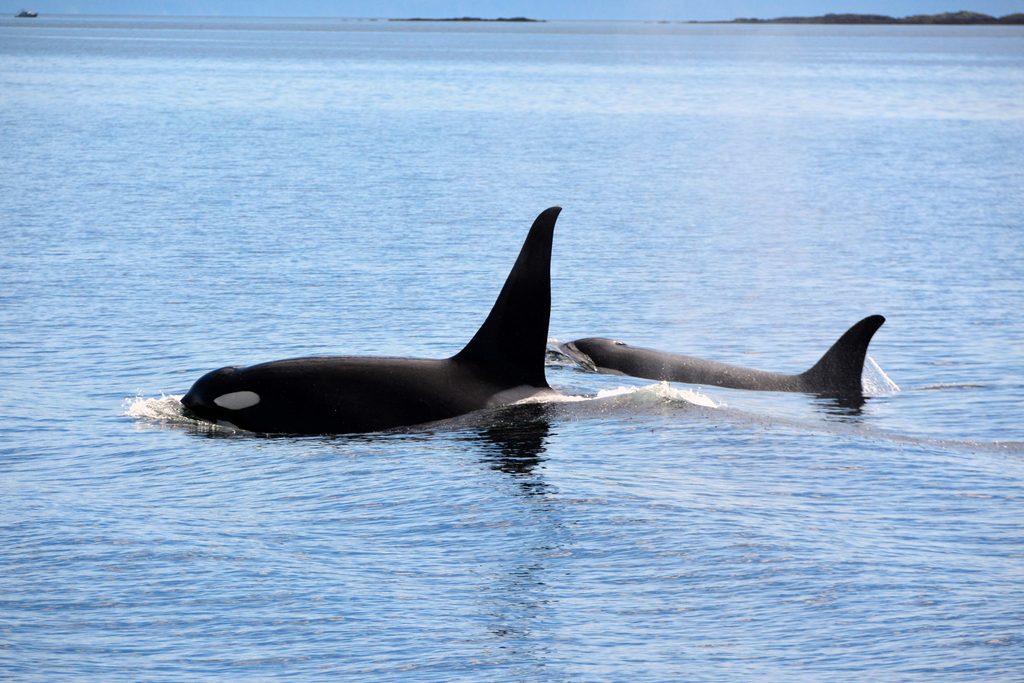
Small Inlet is a boat-only access destination. Mariners approach from Discovery Passage, timing current-sensitive routes with care. It’s common to see Orcas as they visit the passage often.
The basin lies tucked behind the shore of Kanish Bay. A narrow kelp-filled, but navigable channel with a minimum depth of 8 feet leads from the northeast corner of Kanish Bay to Small Inlet. This beautiful inlet is surrounded by steep, wooded hillsides providing a calm-water feel once inside, although strong westerlies from Johnstone Strait can enter the inlet.
The Anchorage
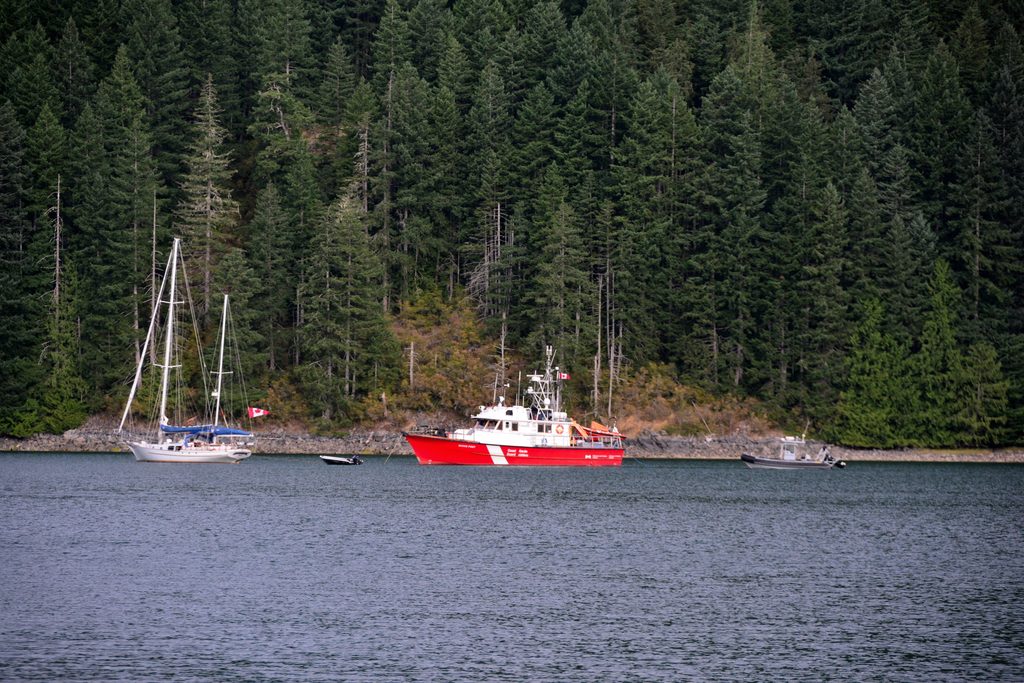
Holding is sought in the inner reaches, where the water is quieter and the inlet shape reduces fetch. A number of good anchorages can be found along the north shore, a couple also a couple boats can fit behind a little knob of land near the southeastern corner. On the chart there are three rocks in the anchorage – actually, it’s a reef with three highpoints. Anchorage can also be found at the head of Small Inlet, behind two small islands.
You know the inlet offers good anchorage when the Coast Guard uses it for an anchorage.
Scenery
Small Inlet’s scenery is intimate rather than grandiose. Instead of open-ocean drama, the cruiser gets a protected bowl of green water, mossy timber, rocky margins, and reflections that sharpen in the evening calm. The surrounding forest is typical of the coastal temperate rainforest, with cedar, hemlock, fir, salal, ferns, and the soft understory textures that make the British Columbia coast feel ancient even in second-growth country.
At dawn, fog can hang low over the water before lifting into the trees. In late afternoon, the inlet often takes on a burnished stillness, with dinghies moving quietly along the edges.
Wildlife
Wildlife viewing begins before the anchor is down. Bald eagles often patrol the tree line and perch on exposed snags, watching the shore for fish and movement in the shallows. Great blue herons stalk the intertidal edges with deliberate steps, while belted kingfishers rattle along the shoreline and cormorants dry their wings on low rocks. In the quieter corners of the inlet, gulls, mergansers, scoters, loons, and other diving birds may work the tide lines, especially where baitfish gather. Harbor seals are the most common marine mammals to be seen in the anchorage.
Things to Do
Small Inlet rewards visitors who slow down and let the anchorage set the pace. A good stay blends simple shore excursions, quiet paddling, wildlife watching, and route planning, with Newton Lake and the portage to Waiatt Bay giving active crews a reason to go ashore. For many boaters, the best activity is simply using the inlet as it was meant to be used: a sheltered, self-sufficient layover where the day can be shaped by tide, weather, and curiosity.
- Hike to Newton Lake: A rough trail from the southeast corner of the inlet leads to Newton Lake, a small freshwater lake suitable for swimming and picnicking.
- Portage to Waiatt Bay: Ambitious paddlers can use the rough route from the head of Small Inlet toward Waiatt Bay and Octopus Islands Marine Park.
- Kayak or paddle the inlet: Calm mornings and evenings are ideal for paddling the shoreline, watching birds, and inspecting pocket beaches without disturbing wildlife.
- Wildlife watching from the cockpit: Keep binoculars handy for eagles, seals, herons, kingfishers, and diving birds.
- Photography and sketching: The inlet’s calm water, forest reflections, mist, moss, rock, and anchored boats make it a good quiet creative stop.
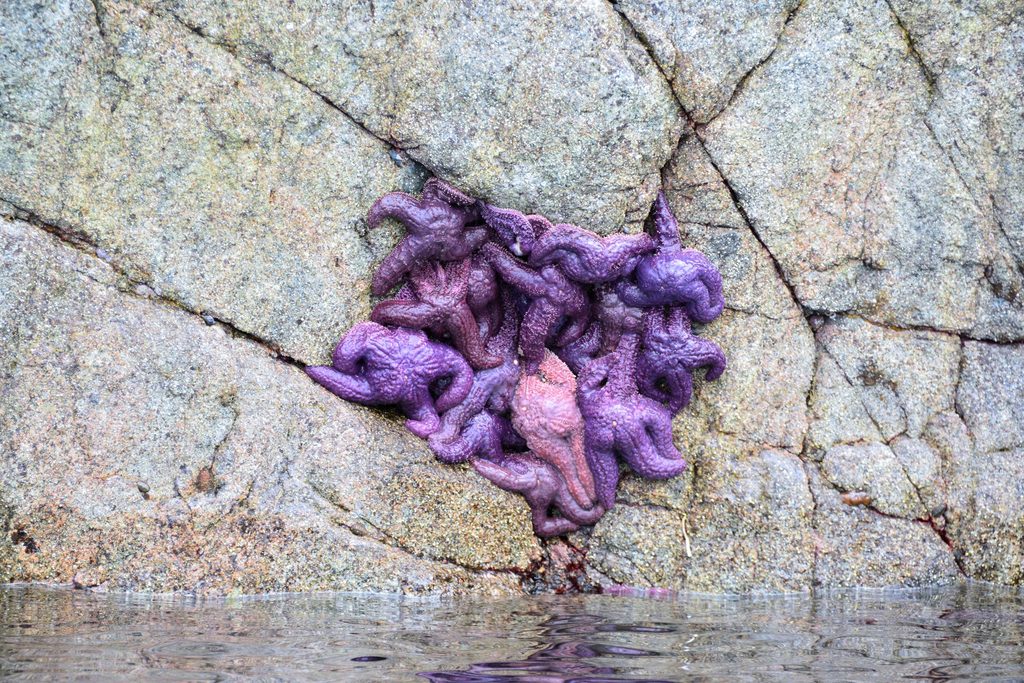
- Explore the intertidal zone at low tide: Add tide-pooling, photography, and shoreline observation.
- Wait for weather or slack water: One of the anchorage’s practical roles is as a protected pause before committing to more exposed or current-driven passages nearby.
Conclusion
Planning a cruise through British Columbia’s Discovery Islands? The right yacht can make a significant difference when exploring remote anchorages, tidal passages and the Inside Passage. Explore Freedom Marine’s current selection of yachts for sale in Vancouver, or contact our team for advice on finding a yacht suited to BC cruising.