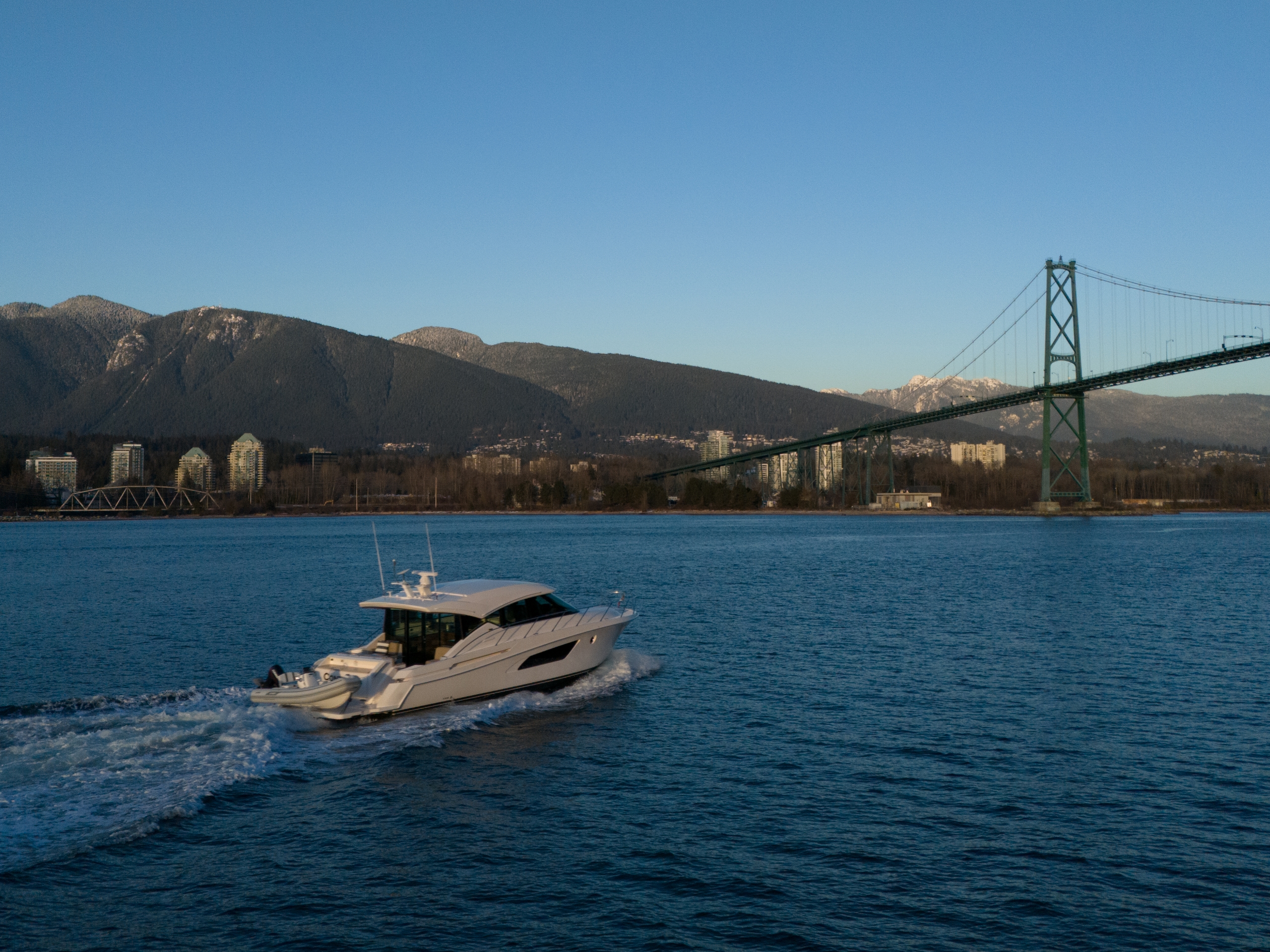
If you’re a boat owner in British Columbia, navigating licensing, registration, and paperwork can feel like steering through fog. But with the right guidance, the process doesn’t have to be complicated. Whether you’re a first-time boater or a seasoned mariner, having the correct documentation in place is essential for boating legally and safely in BC’s waters—from Vancouver Harbour to the sheltered anchorages of Vancouver Island.
As rules and requirements can change, Transport Canada should always be your primary and most reliable source for up-to-date information. Their website provides the official guidance on licensing, registration, and boating safety across Canada.
Pleasure Craft Licence vs. Vessel Registration
In Canada, there are two key documents that may apply to your boat: the Pleasure Craft Licence (PCL) and vessel registration.
A Pleasure Craft Licence is suitable for most recreational boats powered by a motor of 10 horsepower (7.5 kW) or more that are used for pleasure, not commercial purposes. This licence assigns your boat a unique identification number that must be displayed clearly on both sides of the bow above the waterline. A copy of the licence must also be kept on board at all times.
Vessel registration is an alternative and more formal process through the Canadian Register of Vessels. Registration provides legal proof of ownership where the name of your vessel becomes the unique identifier for the vessel. It is mandatory for commercial vessels, boats with a mortgage, or vessels travelling outside Canada. Some pleasure craft owners choose to register voluntarily for the added legal clarity and ownership protection.
How to Get Your Pleasure Craft Licence in BC
Applying for a Pleasure Craft Licence is relatively straightforward, especially online. The general steps include:
- Gather required documents, such as proof of ownership (bill of sale), government-issued ID, profile photo and basic vessel details.
- Apply online using Transport Canada’s Pleasure Craft Licensing System. Online applicants can receive a temporary licence while the permanent one is processed.
- Display the licence number correctly, using block letters at least 7.5 cm (3 inches) high on each side of the bow, visible above the waterline.
Always confirm current requirements directly with Transport Canada, as application details and fees may change.
Important Update from Transport Canada
As of December 31, 2025, Transport Canada introduced a major update to the Pleasure Craft Licence system:
- New and renewed licences are valid for five years, rather than the previous 10 years or in some cases indefinitely
- A service fee ($24) now applies to issuing, renewing, transferring, or replacing a licence
- Licence holders must update name or address changes within 30 days of any change.
- Older lifetime licences are being phased out
Tracking your licence expiry date is now critical to avoid operating with an expired licence.
Proof of Competency — Know Before You Go
Anyone operating a motorized boat in Canada must carry a Pleasure Craft Operator Card (PCOC) or equivalent proof of competency. This confirms the operator has passed a Transport Canada-accredited boating safety test and is required by law for most powered vessels.
Transferring Ownership & Working with a Boat Broker
When buying or selling a boat in British Columbia, ownership transfers and paperwork must be completed accurately and on time. The buyer is responsible for transferring the Pleasure Craft Licence into their name and submitting the required documents and fees.
Working with an experienced boat broker can significantly streamline this process. Brokers are familiar with Transport Canada requirements, common documentation pitfalls, and timelines. They can help coordinate paperwork, verify compliance, and guide buyers and sellers through each step—saving time and reducing stress during the transaction.
Final Tip
Keep copies of all licences, registration documents, and competency cards on board and backed up digitally. Staying organized not only keeps you compliant but also protects your investment and ensures smoother interactions with insurers and authorities while boating in British Columbia.